Blog
Extending Healthy Lifespan Through Diet and Supplementation

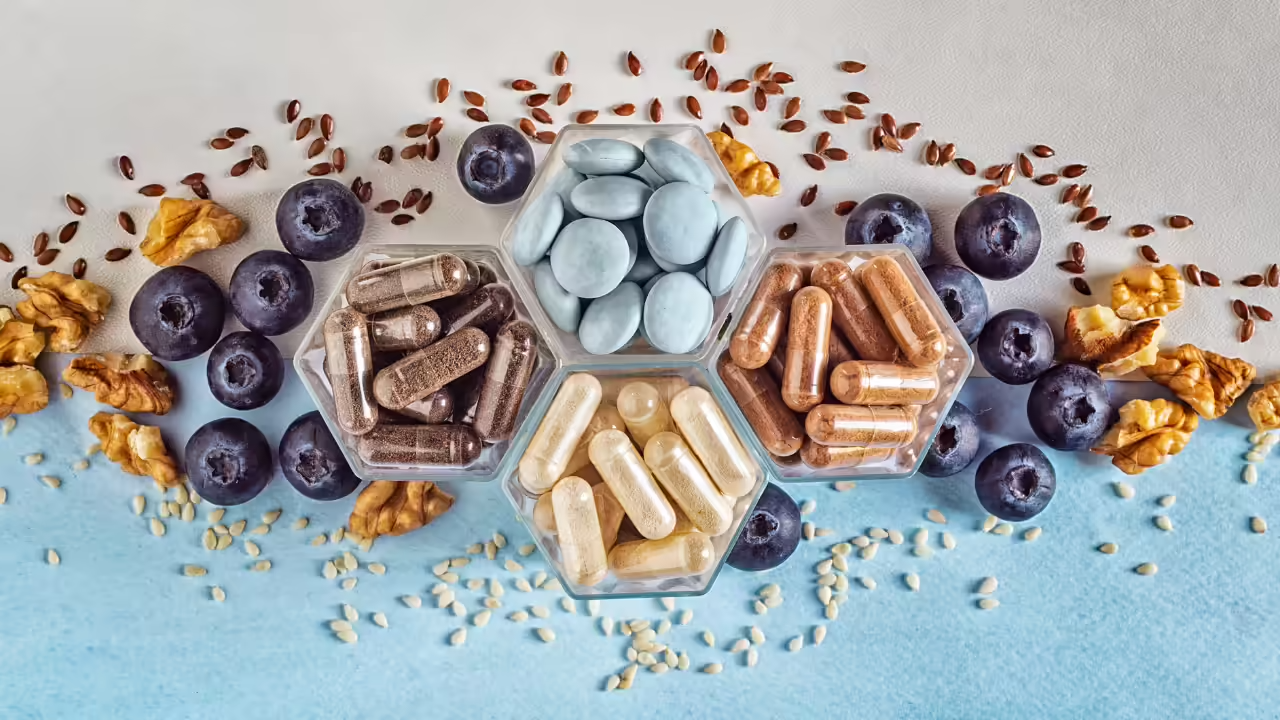
A long and healthy life or “health span” extends well beyond just increasing how many years we live. A long and healthy life is about remaining vital, having a sharp mind, being physically strong, and resistant to disease while we are aging. To achieve a long and healthy life we need to optimize the body’s ability to repair itself at a cellular level, reduce inflammation within our bodies, maintain our body’s metabolism and preserve our brain function. Genetics will also have some effect upon what we may be able to achieve through lifestyle modifications such as diet and supplement use. As a scientist and expert in longevity and life extension I want to point out that there is considerable evidence for the effectiveness of various targeted interventions based upon evidence from human cohort studies, randomized controlled trials (RCTs) and mechanistic research using model organisms. The purpose of this in-depth analysis is to look at a number of areas including protein rich diets, peptides, nootropics and other supplements using a scientifically based approach to provide you with a comprehensive overview of the many choices available to you. However, since individual results will depend on a number of variables, including but not limited to, your genetics, the makeup of your microbiome, and your current state of health, it is always best to consult with a healthcare provider prior to implementing any new dietary regimen or supplement use.
The Role of Protein-Rich Diets in Longevity
While protein is a vital nutrient for maintaining muscle tissue, producing hormones, and supporting the immune system, its relationship with aging and longevity is somewhat complex and influenced by an individual’s age. A number of decades of research have been conducted using large-scale observational studies and controlled clinical trials examining protein consumption and longevity, indicating that protein consumption should be individually tailored to different stages of life: moderate to low levels are appropriate during middle age as a means to support metabolic efficiency and autophagy; whereas, high levels may be necessary during older age to help counteract the effects of sarcopenia (the loss of muscle mass with age), and frailty.
Midlife: Balancing Protein for Metabolic Health
Protein from animal food products can increase inflammation, increase IGF-1 and mTOR signalling and raise the risk of death in younger and middle-aged individuals. Lowering consumption of fats and protein from animal products and increasing consumption of plant-based proteins (legumes, nuts, whole grain products), increases fiber and aids in a balanced gut flora and reduces oxidative stress. Studies have shown that a diet of low amounts of protein and high amounts of carbohydrates will lower an organism’s mTOR and IGF-1 activity which is responsible for cell division and aging; this leads to longer lifespans in experimental organisms. In addition to lowering mTOR and IGF-1, a 2025 study demonstrated that low-protein diets reduce DNA damage and mutations and therefore slow down biological aging at the level of epigenetics.
From an expert perspective, midlife protein moderation mimics caloric restriction’s benefits without severe energy deficits, potentially activating sirtuins and AMPK for enhanced mitochondrial function. Practical tips:
– Aim For Protein Intake Between .8-1.2 Grams Per Kilogram of Body Weight Daily.
– Ingest Pre-Biotics and Probiotics to counteract any potential inflammatory effects (As Shown by the Microbiome Studies Demonstrating Increased Production of SCFAs).
– Example Meal: Salad With Chickpeas, Spinach, Olive Oil, Nuts All High in Protein but balanced with Anti-Inflammatory Components That Support Telomere Maintenance.
Over-restriction can lead to nutrient deficiencies, such as in essential amino acids, so periodic blood tests for markers like albumin and IGF-1 are recommended.
Later Life: Increasing Protein to Preserve Muscle and Function
As individuals enter their 60s and beyond, consuming high amounts of protein is beneficial for preventing sarcopenia and declining physical function. Longitudinal research has demonstrated that in midlife, adequate protein from many different food sources correlates with healthy aging; whereas, in older adults, protein consumption at levels of 1.0-1.2 grams per kilogram body weight each day or greater enhances quality of life and increases lifespan through maintaining lean mass and metabolic rates. This also counteracts age related anabolic resistance that can lower protein synthesis efficacy as much as 30% – thus requiring more protein to initiate sufficient muscle protein synthesis (MPS), which occurs via the signalling mechanism of leucine.
Although plant-based diets are still generally good, they have been associated with the highest prevalence of longevity in populations that have adopted plant-based diets as staples, such as in the “Blue Zones” – where legumes provide protein in addition to fiber and antioxidants that have been shown to decrease chronic disease risk. Expert insight: The combination of protein and resistance training in older adults stimulates MPS 40-50% more than resistance training alone and may add years to independence.
Recommendations for seniors:
– Optimize intake by consuming between 1.2 – 1.6 g/kg of body weight as evenly distributed as possible throughout the day (for example, consume 25-30 grams at each meal). This distribution helps maximize absorption and minimize anabolic resistance (the inability of your muscles to build new muscle).
– Optimize intake through both animal-based (leucine rich), plant-based (plant-based proteins have all essential amino acids) protein sources to ensure you are meeting your daily protein needs for optimal function.
– An example of how to do this is through eating grilled chicken breast with quinoa and vegetables or through making a smoothie with whey protein powder, blueberries and Greek yogurt to utilize the quick absorption properties of whey to help maximize the peak levels of MPS after a meal.
To summarize, it appears that when a person optimizes their diet for protein, they will experience additional years of healthy aging; mid-life, a plant-based protein diet will provide additional metabolic and epigenetic benefits. In older age, there are also quality protein sources available to increase the individual’s level of physical resilience. Adding the benefit of regular exercise can enhance these benefits and could extend a person’s healthy aging by 5-10 years depending on the results of the meta-analysis reviewed.
Peptides: Emerging Tools for Cellular Repair and Anti-Aging
Researchers are increasingly interested in peptide-based treatments for longevity, as they can provide a targeted signal to cellular processes including repair, regeneration and hormonal regulation. Peptide-based treatments represent a unique opportunity for precision in targeting the various hallmarks of aging including senescent cells, loss of protein homeostasis (proteostasis) and exhaustion of adult stem cells; unlike broad spectrum dietary or supplement approaches, which may be less specific. Data from preclinical studies and early phase clinical studies have demonstrated a great deal of promise, with human trials currently being conducted.
Key Peptides and Mechanisms
– BPC-157:
A gastric Penta decapeptide that promotes tissue healing, reduces inflammation via cytokine modulation, and supports gut integrity. RCTs and animal models show it accelerates recovery from injuries and may extend lifespan by mitigating systemic inflammation, a key aging driver. It modulates cell growth, proliferation, survival, anti-inflammatory, and angiogenesis pathways. BPC-157 promotes angiogenesis (the formation of new blood vessels) and improves collagen production, which are essential for tissue repair. It increases the production of growth factors, enhances collagen formation, and supports microcirculation and tissue oxygenation.
– Sermorelin:
A growth hormone-releasing hormone analog that elevates IGF-1 and HGH, improving muscle mass, bone density, and energy metabolism. Clinical studies link it to anti-aging via enhanced autophagy and reduced visceral fat, with benefits in age-related hormonal decline. It stimulates the pituitary to produce HGH, mimicking the action of endogenous GHRH, promoting the synthesis and pulsatile release of growth hormone. This stimulation leads to anti-aging effects like enhanced collagen synthesis, skin hydration, and tissue regeneration.
– GHK-Cu (Copper Peptide):
Naturally occurring tripeptide that stimulates collagen synthesis, wound healing, and antioxidant defences. In vitro and in vivo research demonstrates skin rejuvenation, reduced oxidative damage, and potential systemic longevity effects through gene expression modulation in long-lived models. It chelates copper ions, enabling the activation of fibroblasts for more intensive production of collagen and glycosaminoglycans. GHK-Cu supports angiogenesis and nerve outgrowth, improves the condition of aging skin and hair, and possesses antioxidant and anti-inflammatory effects. It activates genes responsible for extracellular matrix synthesis while suppressing those involved in matrix degradation.
– Epithalon (Epitalon):
A tetrapeptide telomerase activator that extends telomeres, delaying replicative senescence. Rodent studies show lifespan extension via improved DNA stability and reduced age-related pathologies. It activates telomerase and lengthens telomeres in human cells, extending their replicative lifespan. Epitalon possesses anti-aging activities in skin tissue and inhibits free-radical oxidation. It may stimulate melatonin production and has antioxidant effects, increasing resistance to stress and lowering corticosteroid levels.
– Pinealon and Prostamax:
Neuroprotective peptides that enhance cognitive resilience by countering heterochromatin loss and neuronal inflammation. Emerging data from preclinical trials suggest roles in preventing neurodegenerative decline. Pinealon regulates gene expression, influencing vital biological mechanisms responsible for cellular rejuvenation and repair. It promotes telomere stability through increased production of irisin, thus slowing cellular aging. Pinealon possesses neuroprotective properties within the central nervous system, mitigating cellular aging and longevity-related issues. Prostamax may reactivate silenced genes by decondensing chromatin, countering age-related epigenetic changes. It reduces inflammation, prevents sclerotic and atrophic processes in the prostate, and enhances immune function. Prostamax modulates DNA expression, potentially unpacking condensed DNA to restore gene activity. This mechanism targets senescence and apoptosis, key aging processes.
– Dihexa:
An angiotensin IV analog that potentiates hepatocyte growth factor signalling, promoting synaptogenesis and neuro-regeneration. In Alzheimer’s models, it reverses cognitive deficits and supports neuronal survival, with implications for extending cognitive health span through enhanced brain plasticity. It binds to HGF and promotes c-Met signalling, activating the PI3K/AKT pathway to exert anti-inflammatory and anti-apoptotic effects. Dihexa increases levels of neurotrophic factors like BDNF and crosses the blood-brain barrier, making it a candidate for healthy aging by counteracting age-related neuroplasticity decline.
Exogenous bioactive peptides exhibit anti-aging effects in studies, including improved skin elasticity, muscle preservation, and wrinkle reduction via collagen upregulation and ROS scavenging. Databases catalogue hundreds of peptides with Gero protective potential.
Usage and Considerations
As a subject matter expert, my recommendation is that peptides be administered either subcutaneously or topically on a cyclic basis (e.g. 4-12 week intervals) to prevent receptor down-regulation; benefits include rapid recovery and enhanced sense of vitality, however there are risks including immunogenicity as well as the lack of long-term studies/data. Therefore, I recommend that you begin your peptide therapy with low doses (for example BPC-157 at 250mcg – 500mcg), while being supervised by someone who has knowledge of peptide use, and monitor for inflammatory markers such as CRP.
Nootropics: Enhancing Cognitive Health for Long-Term Vitality
Nootropics target brain function to bolster memory, focus, and resilience against age-related decline, which affects up to 50% of seniors via mechanisms like neuroinflammation and synaptic loss. Evidence from RCTs and meta-analyses supports their role in extending cognitive health span, particularly when addressing deficiencies or stressors.
Evidence-Backed Nootropics
– Bacopa Monnieri and Gotu Kola:
Adaptogenic herbs that enhance memory and processing speed via bacosides and triterpenoids. RCTs show 300–450 mg/day improves learning and reduces anxiety over 12 weeks.
– Ashwagandha:
Reduces cortisol and oxidative stress, boosting focus. Meta-analyses confirm 300–600 mg/day supports cognitive health in stressed adults.
– B Vitamins (B6, B9, B12):
Critical for methylation and neurotransmitter synthesis; supplementation lowers homocysteine, preventing cognitive decline in deficient populations.
– Lutein and Zeaxanthin:
Macular carotenoids that shield neurons from blue light and ROS, aiding attention in RCTs.
– Korean Ginseng:
Ginsenosides enhance cerebral blood flow; trials show 1,000 mg/day for 8 weeks improves cognitive scores.
– Noopept:
A synthetic dipeptide that upregulates BDNF and NGF, offering neuroprotection. Studies in neurodegenerative models show it mitigates amyloid toxicity and inflammation, supporting memory and longevity. Dosage: 10–30 mg/day.
– Alpha GPC:
Choline precursor that elevates acetylcholine; clinical trials demonstrate benefits in dementia, slowing decline and aiding stroke recovery. Dosage: 300–1,200 mg/day.
– Other Potent Options (e.g., Piracetam, Phenylpiracetam):
Racetams modulate glutamate receptors; piracetam enhances memory in meta-analyses, while phenylpiracetam adds psychostimulant effects.
Nootropics improve cognition and mitigate declines, with stacks showing synergy in trials.
Integration Tips
Stack thoughtfully (e.g., Noopept with Alpha GPC) and cycle to avoid tolerance. Combine with sleep and exercise for amplified neuroplasticity.
Supplements: Foundational Support for Longevity
Supplements target aging pathways like senescence, mitochondrial dysfunction, and inflammation, with RCTs providing moderate-to-strong evidence.
· | Vitamin D | Slows telomere shortening, supports immune and bone health. 2,000 IU daily associated with slower biological aging in cohorts.
· | NAD+ Precursors (NMN/NR) | Boosts cellular energy, counters NAD+ decline. 500–1,000 mg enhances mitochondrial function, reviews support longevity potential.
· | Resveratrol | Activates sirtuins, anti-inflammatory. 250–500 mg Extends lifespan in models, human data on heart health emerging.
· | Curcumin | Reduces inflammation, neuroprotective. 500–1,000 mg with Piperine promotes longevity via NF-κB inhibition, clinical benefits for joints/brain.
· | Omega-3s | Lowers biological age, cardiovascular support. 1,000–2,000 mg EPA/DHA tied to reduced aging markers with exercise.
· | Spermidine | Induces autophagy cellular rejuvenation. 1–3 mg extends health span in studies, improves biomarkers.
These align with expert protocols, emphasizing synergy with lifestyle. Fasting enhances effects, but whole foods remain foundational.
Conclusion: A Holistic Approach
Healthy longevity involves using a variety of optimized dietary proteins to modulate your metabolism as well as peptides for your body’s repair; nootropics to enhance your cognitive abilities; and a variety of other supplements that are fundamental to maintaining your overall health. As an expert in this area, I emphasize the importance of tailoring these approaches based on individualized biomarkers (e.g., NAD+ levels, inflammatory panel), and being consistent with them, as new data indicates that when used together, they may be able to add 10 – 20 years to your health span. The field of longevity is developing at an exponential rate and therefore it is very important to use all evidence-based approaches including but not limited to diet, physical activity, adequate sleep and stress reduction to optimize outcomes.