
Blog
The Use of Boswellia Serrata for Joint Health and Arthritis

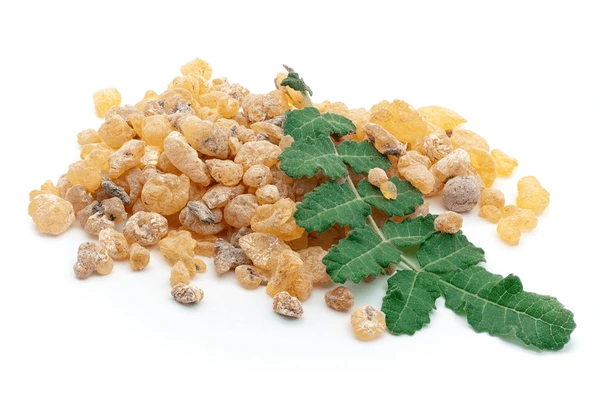
Boswellia serrata, also referred to as frankincense, is an ancient plant that is indigenous to Asia, the Middle East, and parts of Africa. The resin of this plant was first used to treat inflammatory disorders over 2,000 years ago in traditional Ayurvedic medicine and has recently received attention for its potential to improve joint health, especially for people suffering with symptoms of osteoarthritis (OA) and other types of joint arthritis. This article will explore the historical use, the mechanisms of action of Boswellia serrata, the available evidence for its therapeutic use, the potential benefits of its use, and the safety of Boswellia serrata.
What is Boswellia serrata?
Boswellia serrata is a tree that produces a gum-like substance when it is injured, a process referred to as oleoresin. This gum-like substance contains a number of bioactive compounds, including boswellic acids, which have been identified as the primary mediators of Boswellia’s therapeutic effects. The boswellic acids contained in the gum-like substance have anti-inflammatory properties, and one of the most studied is 3-O-Acetyl-11-keto-beta-boswellic acid (AKBA).
Methods of Administration
The gum-like substance produced by the Boswellia serrata tree can be administered in several ways, including capsules, tablets, topical creams and oils, and soft gels. The gum-like substance is often standardised to ensure a minimum amount of boswellic acids (usually 30%) so that the consumer receives a consistent amount of the active ingredient in each dose.
Mechanism of Action
Boswellia serrata works as an anti-inflammatory agent. Boswellic acids interfere with the 5-lipoxygenase pathway (5-LOX), which leads to the production of leukotrienes, which are pro-inflammatory mediators. The boswellic acids also block the activity of NFkB and p38/MAPK signalling pathways, leading to the inhibition of transcriptional factors that lead to the increased production of inflammatory cytokines and enzymes. Boswellic acids do not exhibit analgesic or antipyretic effects; therefore, they may offer a safer alternative to NSAIDs.
Scientific Evidence
Multiple clinical studies and meta-analyses have demonstrated the safety and efficacy of Boswellia serrata for therapeutic purposes. One meta-analysis of 7 RCTs involving 545 patients with osteoarthritis demonstrated a statistically significant reduction in the VAS score (pain) and the WOMAC index (stiffness and function) and improvement in physical function after treatment with Boswellia serrata extracts. Some meta-analyses have demonstrated similar results regarding the reduction of pain and improvement of function in patients with osteoarthritis.
Potential Benefits
- Pain Relief: Boswellic acids have anti-inflammatory properties and are effective at reducing pain associated with inflammation, especially in knee osteoarthritis.
- Improvement of Function: Patients treated with Boswellia extracts have reported improvements in their joint mobility and flexibility, thus improving their quality of life.
- Anti-Inflammatory Effects: The use of boswellic acids can decrease the levels of inflammatory cytokines in the body, thereby supporting the joints’ health.
- Potential Benefits for Rheumatoid Arthritis and Tendinitis: There is preliminary evidence that Boswellia extracts may be beneficial in treating symptoms of RA and tendinitis. More research is needed to confirm this.
Dosage
The recommended dosage for joint health is 100-250 mg of Boswellia serrata extract per day. The extract is often standardised to 30% boswellic acids and is often taken for 6 months.
Precautions
Boswellia serrata is generally considered to be well tolerated. Side effects that occur with Boswellia include mild stomach pain, nausea, diarrhoea, headaches, heartburn, and itching. Allergic reactions to the skin, such as dermatitis, and gastric bezoars are rare.
Common precautions to consider include:
Avoidance during pregnancy or lactation: due to a lack of adequate safety studies, Boswellia should not be taken during pregnancy or lactation.
Interactions: Boswellic acids may interact with medications metabolised by the liver (CYP enzymes), immunosuppressive agents, and anticoagulants (such as warfarin), potentially increasing the risk of bleeding.
Allergies: People who have allergies to similar plants or are taking anticoagulants should use caution.
In conclusion, Boswellia Serrata offers promise as a natural remedy for joint arthritis and joint health, supported by both historical use and current scientific evidence. Its ability to reduce inflammation and pain and stiffness in joints makes it a viable option for those seeking alternatives to conventional treatment options. While it is generally safe, consumers should consult a healthcare professional prior to beginning any new supplements, especially if they have pre-existing medical conditions or are currently taking medication. As further research continues, Boswellia may become a major player in the realm of integrated joint care strategies.